Popular
Searches:
Popular
Searches:
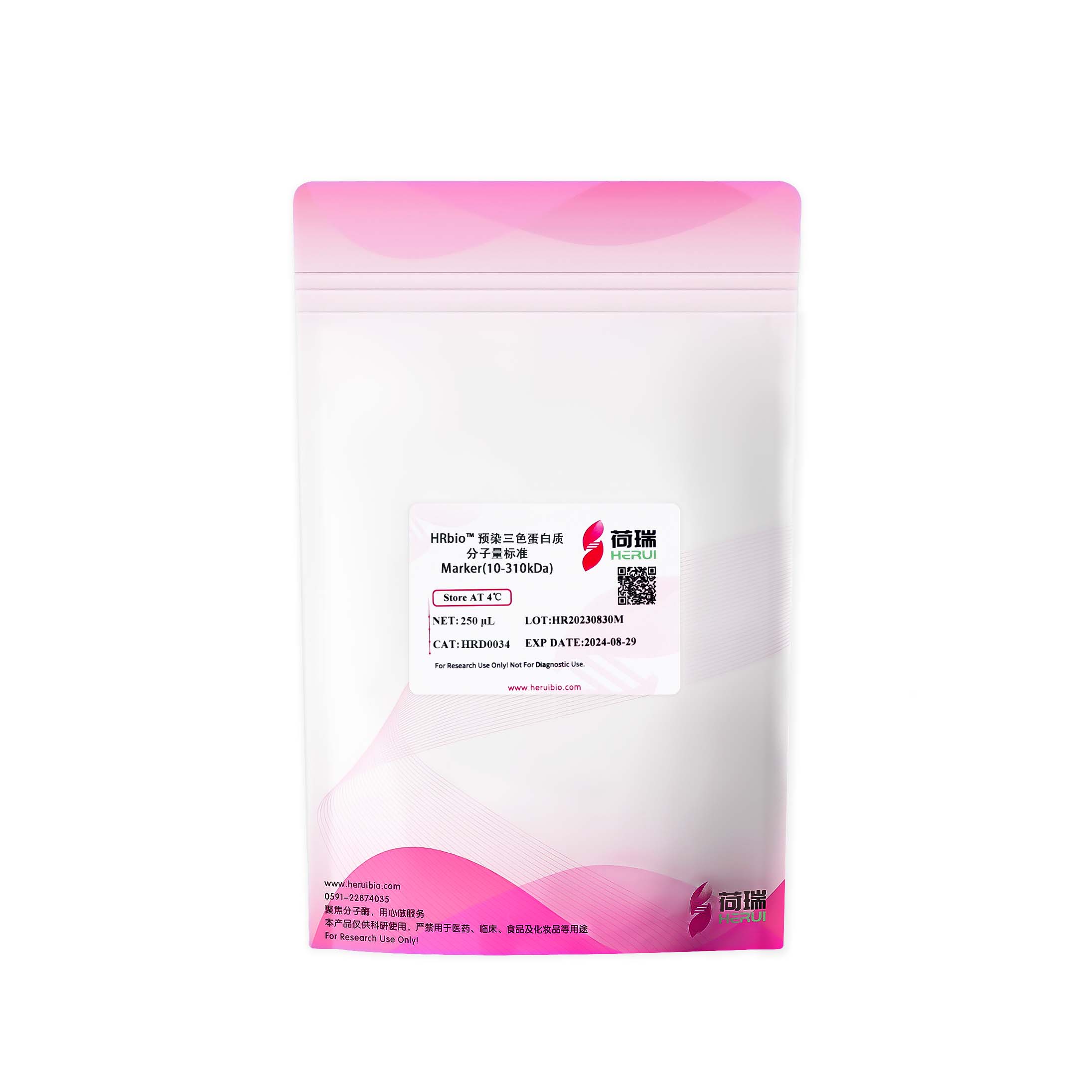
HRbio™ Predyed Three-Color Protein Molecular Weight Standard Marker(10-310kDa)
Price:
¥400
Cargo Number:
HRD0034
Specification:
250 μL 2×250 μL
Specification and quality control:
Product Details
Product Specification
Product Information :
Product Name | Product Number | Specification |
HRbio™ Prestained Three-color Protein Molecular Weight Standard Marker (10-310kDa) | HRD0034 | 250 μL |
HRD0035 | 2×250 μL |
Product Description:
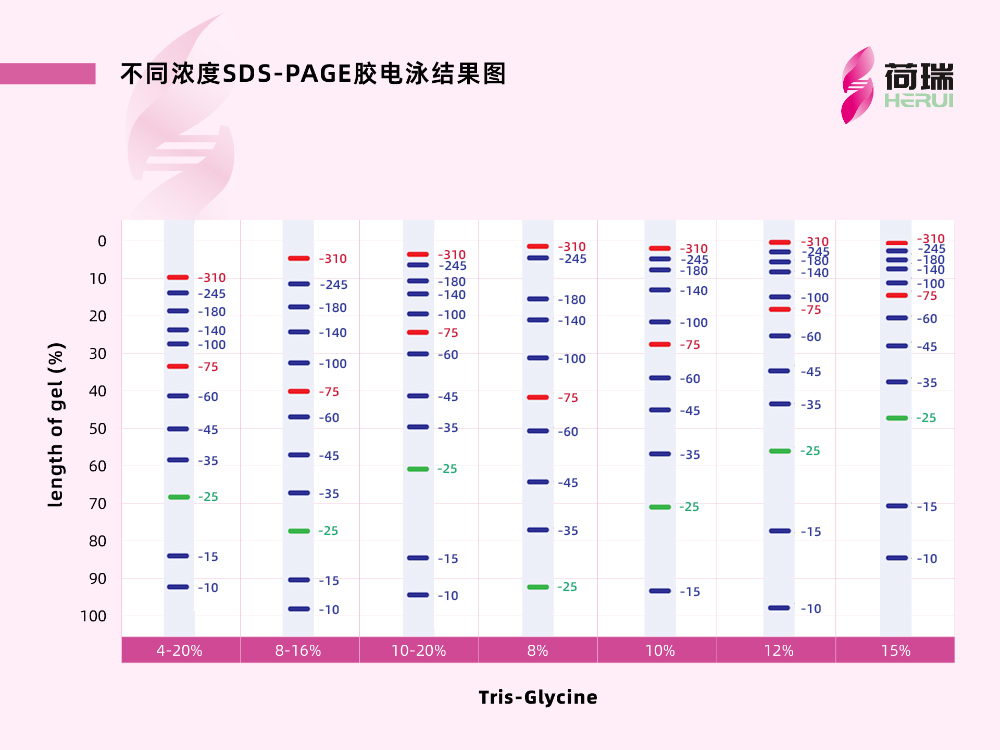
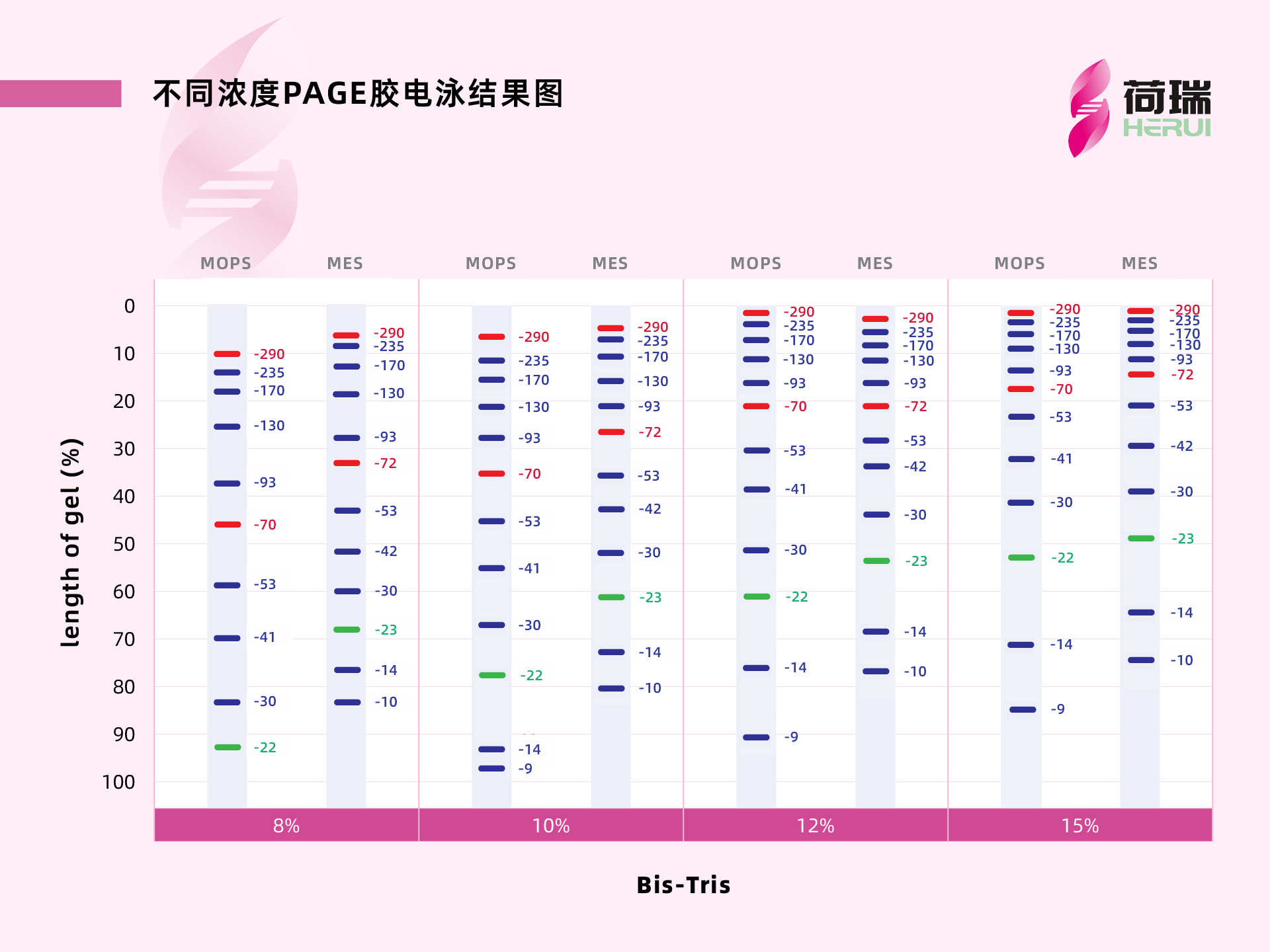
HRbio™ Prestained Three-color Protein Molecular Weight Standard Marker (10-310kDa) is a protein standard with a wide range. It contains 13 prestained standard proteins. In Tris-gly buffer system, the molecular weight range is: 10-310kDa, in Bis-Tris (MOPS) buffer system, the molecular weight range is: 9-290kDa. This product is suitable for molecular weight reference of denatured protein samples during SDS-PAGE electrophoresis, and can observe the electrophoretic separation of protein samples in real time; it can also be used to detect the transfer efficiency of Western blot. Since covalently bound dyes affect the electrophoretic mobility of protein molecules, this product can be used to roughly estimate the molecular weight of the target protein sample.
Transportation and storage methods:
Transport with ice packs. Store at -20℃, valid for 2 years, store at 4℃, valid for 3 months.
Instructions for use:
1. After melting this product at room temperature, mix gently to fully dissolve the precipitate.
2. Load 5 μL of sample, and clear rainbow bands will appear during SDS-PAGE electrophoresis and after transfer.
3. It is recommended to select an appropriate separation gel concentration based on the molecular weight of the protein to be tested.
Note:
1. When using, the product should be restored to room temperature after being taken out from low temperature, mixed and then loaded; otherwise, the protein may not be completely denatured at low temperature, resulting in different degrees of dispersion or tailing of the electrophoresis band.
2. The transfer effect is related to the transfer time, which depends on the size of the target band. If some of the larger molecular weight bands fail to transfer successfully after transfer, it is a normal phenomenon.
3. This product contains SDS, the protein has been denatured, and it is not suitable as a molecular weight reference standard for electrophoresis of natural protein molecules.
4. This product should be avoided from repeated freezing and thawing. It is recommended to be stored in aliquots.
5. For your safety and health, please wear a lab coat and disposable gloves when operating.
6. This product is for scientific research purposes only!
Attachment:
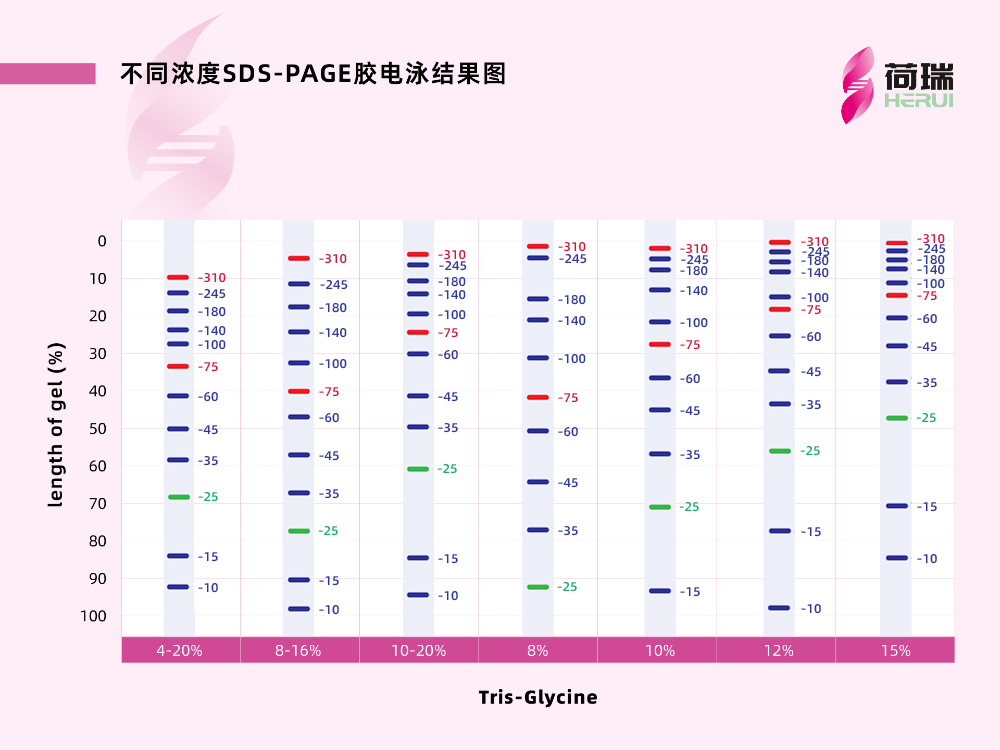
Figure 1. Results of SDS-PAGE gel electrophoresis at different concentrations (Tris-Glycine system)

Figure 2. Results of SDS-PAGE gel electrophoresis at different concentrations (Bis-Tris)
Frequently Asked Questions:
1. Why do the results of molecular weight determination vary when using different brands of protein standards?
A: A. Different proteins, even if they have similar molecular weights, will have significantly different SDS-PAGE results due to different amino acid compositions (e.g. gelatin). The reason for the difference is that the amino acid composition affects the binding of proteins to SDS. Therefore, we can say that protein markers are a convenient tool for estimating molecular weights, but there is no absolute molecular weight standard.
B. When running SDS-PAGE, protein mobility will be affected by the composition of the buffer used, the percentage of gel, the voltage used, the running time, etc.
C. Another suggestion for high molecular weight proteins is to extend the run time to clarify the relative positions of the bands.
2. How many times can the protein marker be frozen and thawed? If the amount used each time is 5μL, is the total amount used 50 times x 2 (250μL x 2 tubes)?
A: Yes, if freezing and thawing are performed carefully and correctly at the appropriate temperature, it is expected to be used 100 times (5 μL each time). Please ensure that the protein is completely thawed before each use.
3. Are there any data on the accuracy of the protein molecular weight compared with other protein standards?
A: Usually prestained markers will have an "estimated molecular weight" written on them, just in case. Protein sizes analyzed by SDS-PAGE are only "estimated" because all proteins (both stained and unstained) have intrinsic differences in their amino acid composition. For example, a more hydrophilic protein may show a specific higher position in the SDS-PAGE analysis compared to a hydrophobic protein. We compared the migration patterns of our protein markers with other brands and concluded that it is difficult to define "precision" for the reasons mentioned above. Therefore, in the product description, we recommend that users calibrate the MW based on their protein of interest. Although it is impossible to define the "precision" of protein molecular weight in SDS-PAGE, we did compare the migration patterns of our prestained markers with unstained protein markers for calibration. In conclusion, the estimated molecular weights of our markers showed a good match with the curve of the unstained native protein, representing a good estimate of the MW of each prestained protein in the SDS-PAGE analysis.
4. Will the marker be washed away during the Western blotting process?
A: The marker will only be slightly washed away during Western blotting, but excess Tween-20 (more than 0.2%) in the wash buffer will affect the markers on the transfer membrane.
The following are the recommended steps for Western blotting:
1. Transfer the markers to the membrane using a transfer buffer containing 20% methanol to fix the markers on the membrane.
2. Wash the membrane using PBS or TBS containing less than 0.1% Tween-20.
5. In the presence of β-mercaptoethanol (β-ME), will the marker be affected by the stripping solution cleaning process?
A: Under normal circumstances, the presence of β-ME during antibody stripping has little effect on markers, but the presence of Tween-20 on the PVDF membrane during the stripping process has an adverse effect on markers.